Analyzing football in Suzhou
Suzhou is a wealthy city with a strong GDP, but its professional football scene isn't as stable, lacking a consistent CSL team and facing stadium issues. The Suzhou Olympic Sports Center has previously hosted the 2020 CSL bubble. Despite the city's high per-capita income and enthusiasm for football, the youth training programs might be a factor. If Li Weifeng is indeed the head coach of Suzhou Dongwu, I wonder how this mismatch between the city's size and the club's level impacts the investment, youth development, and fan culture.Exploring Suzhou’s Football Landscape
Suzhou ranks among the top six in China for GDP with a population of around 12 million and high consumption. However, its professional football is limited, currently only having a club in CL1. Issues like sponsor involvement and the dissolved Kunshan FC hinder stability. For improvement, I'd suggest consistent policy support, building a youth academy network, enhancing matchday experiences, and creating community ties. I could also provide examples of successful models and metrics for a 3-5 year plan, focusing on CSL promotion and attendance goals. What specific analysis or solutions is the user looking for?Analyzing Suzhou Football Development
In the Codex CLI environment, while the user didn’t request code, I’ll produce a concise analysis in Chinese. Here are some key points:
- 点破“未匹配”的维度:联赛层级与城市能级,资本与治理稳定性,青训体系,球迷与市场,场馆与赛事供给。
- 现状快照:苏州东吴仍在中甲,昆山解散教训,上座率波动。
- 为什么会这样:制造业分散、体育产业链薄弱、营销评估偏短期。
- 可行路径(3-5年):组建城市联合体,明确目标KPI,青训网络,商业化举措,增强球迷文化,多个赛事供给,品牌定位。
- 对标样本:成都蓉城、浙江队、武汉三镇。
关键风险与对策:资金链、政策连续性和成本通胀风险。
你更关心哪块?数据对比、方案细化到预算、还是做一页PPT给高层?
同感,这句“还没有匹配”主要体现在几条维度:
- 联赛层级与城市能级不对称:苏州GDP、人口、商业密度都属一线梯队,但顶级联赛没有稳定席位;东吴仍在中甲,昆山夺冠后解散的反差尤明显。
- 资本与治理不稳:过度依赖单一出资人,缺“城市联合体”(国资+龙头民企+园区基金)的长期承诺与预算刚性。
- 青训与人材供给薄:本土梯队覆盖、教练持证率、U23上场时长与转会变现不足,县级市协同未形成合力。
- 市场与品牌开发不足:上座率波动、会员与周边转化弱,赞助结构单一;但苏州奥体等硬件和办赛能力其实现成(2020中超赛会制即证明)。
- 风险偏好与周期错配:企业赞助看短期ROI,政策与预算周期与竞技建设周期(3–5年)不一致。
三到五年可落地路径(务实版):
- 股权与资金:组“城市足球联合体”,明确3年保底资金和冲超激励;财务三表透明,避免赛季中资金波动。
- 明确KPI:两年内中甲前3/冲超、平均上座1.5–2万人、本土球员出场时长30%、青训转会收入覆盖青训成本40%。
- 青训三层网:市区精英梯队+县市卫星中心(昆山/常熟/张家港/太仓),统一选材和数据;与高校/职校共建U19-U21;女足同步布局。
- 竞技与数据化:工资帽内做效率阵容,引入数据/体能/康复团队,小成本高性价外援+本土核心续约策略。 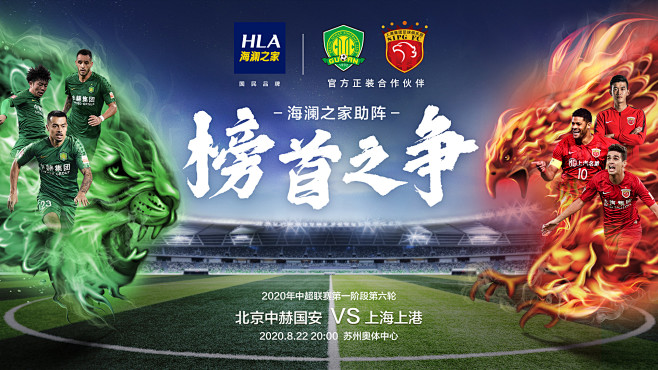
- 商业与球迷运营:会员体系、座位分层与家庭看台、地铁联票与周末文旅联动;赞助多层级(主赞+园区/制造业腰部赞助)。
- 品牌定位:江南文化+工业硬核叙事,打造城市名片;常态化公益与校园日,培养“从小看苏州”的代际黏性。
- 风险对策:预算分层(基础/竞争/冲刺),现金流预警阈值;冲超后的成本通胀预案与结构化合同。
对标可学:浙江队(青训长期主义)、成都蓉城(社区与上座氛围)、武汉三镇(资本整合—同时警惕可持续)。
需要我做哪种输出?
- 和同级城市的对标数据表(投入、上座、青训、商业收入)
- 俱乐部三年规划草案(KPI+预算+组织架构)
- 一页PPT要点,给政府/投资人沟通使用